My friends and I worked outdoor labor jobs back in the early eighties. We all loved rain days. They may have put us behind on our bills, but free time is precious. We were always happy to have some.
One day it was pouring and four of us were hanging out, drinking a few beers. We decided to catch an afternoon movie, and what better choice was there than Halloween 3: Season of the Witch?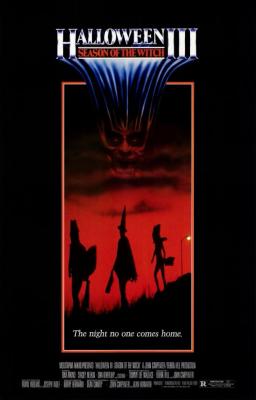
We didn’t know anything about the movie, but all of us loved the first two Halloween movies. We had no idea this one would be without Michael Myers. It didn’t bother us a bit. We all liked the movie a lot and we didn’t need it explained to us. We had two good movies with Michael. Well, one good one and one great one.
Halloween 3 was a great idea. Instead of another weary retread, what’s wrong with the series going off in another direction? How about a different Halloween story each time?
We were cool with new ideas for Halloween, but the rest of the world lost their minds. They hated it. Where was Michael? If they wanted a different storyline, why call it Halloween? Even Joe Bob Briggs, who of anyone should have known better, was one of the disgruntled Halloween fans.
Years later Halloween 3: Season of the Witch is considered a classic by most people. There are a few holdovers, sure, I think Joe Bob still maintains his stance, but people came around to understand the intentions behind the movie.
The worst thing about the whole thing is all the missed opportunities. Imagine the other wonders Carpenter and Hill could have conjured up.
Now, let’s jump ahead nearly forty years.
We had some weary Halloween sequels over the years. The squeaky-wheel fans got their way and we had a number of mostly poor Halloween movies with dreary old Michael Myers shambling around. I mostly like them, despite the lack of originality or creativity. They tried to give Michael too much backstory. It grew convoluted. Halloween, John Carpenter’s Halloween, worked because we didn’t know much about Michael. He was unknowable, unstoppable evil.
I have no use whatsoever for Rob Zombie’s grungy remakes, and I hope I never have to sit through the wretched Halloween: Resurrection again.
In 2018 director David Gordon Green and his partner Danny McBride brought us an all-new Halloween. They wisely disregarded all the sequels and acted as if the 1978 original was the only Hallowen.
Green is an interesting filmmaker. He made smart independent movies like George Washington, All the Real Girls, Snow Angels, and Prince Avalanche. Green also did some weak commercial trifles. I can’t find many positive things to say about Pineapple Express, Your Highness, or The Sitter. I don’t blame the man. Those arty movies are wonderful, but Green had to make some crap so he would be able to make small, wonderful movies like Manglehorn.
The Halloween trilogy falls somewhere in the middle of these two types of productions. Halloween is assuredly aimed at mainstream audiences, but Green and company obviously went to great efforts to make them good movies.
This time I was slow to catch on. I saw Halloween at a drive-in in 2018. You’d think that would only make it more enjoyable, but I was out of town, I’d been driving all day, and I already sat through Eli Roth’s middling The House with a Clock in its Walls.
I didn’t hate Halloween, but I was tired. All I really remembered later was Jamie Lee Curtis over-emoting in an annoying way.
I was in a negative state at the time. I was grumpy about new horror movies. I wasn’t watching a lot at home. Honestly, I didn’t give Halloween a fair chance.
Jump ahead a few more years. I’m watching a lot more movies and I am much more accepting of modern horror. I bought the HallowGreen blu-ray set and I watched all three.
No one loves drive-ins more than me, but good movies are better on crystal clear blu-ray.
I liked all three of the movies. No, you can even say I love them.
For one thing, the productions look magnificent. I especially like the nighttime exterior scenes. They’re all utterly gorgeous. Green and his crew achieve a brilliant chiaroscuro of lights and shadows.
Green and his co-screenwriters aim high, bringing big themes and subtext to the movies.
The first HalloGreen deals with grief and the poison of trauma. Laurie can’t escape the memories of her night against Michael. Evil is always out there, looking for a way in. He only achieves this when we allow it to happen.
Halloween Kills is a post-Covid study of mass hysteria and mob mentality. The old Nietzsche quote “He who fights with monsters should be careful lest he thereby become a monster” is proven. Laurie and her surviving friends learn they cannot stop evil with hate or brutality. It’s something a lot of people today need to think about. The inevitable question arises: How do we stop it?
Halloween was a huge success for David Gordon Green and for Blumhouse. Halloween Kills was released in the wake of the pandemic and people still weren’t going to the movies. It still did quite well. Fans were pleased with both movies. Halloween Ends, however…
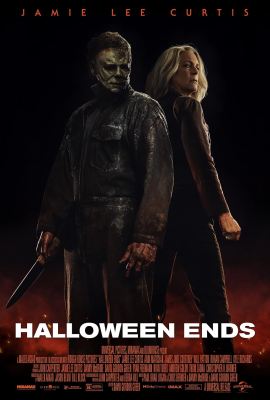 The third movie of the trilogy was financially successful, but less so than the previous two. The fans, however, were incensed.
People hate Halloween Ends. Virulently so. There was a furor on the socials that still carries on to this day. What was this? Michael hardly shows up in the movie until near the end! Who cares about the dumb kid and his stupid reputation? It was ugly.
Halloween Ends is probably my second favorite of the entire franchise.
Halloween Ends is like a good eighties horror novel. There’s actually character development and moral ambiguity. I gave a damn about the lead.
This movie is a metaphor for how we rationalize our actions in an increasingly insane world. So many people have an innate need to find somebody to blame for everything that’s wrong. We need a scapegoat. Someone to point at and say, “It’s his fault!”
Brutal violence won’t stop evil. Fighting each other only strengthens it. The only hope is to face our grief, our fear, our shame. We need to stand together, all of us, despite our differences, and look evil straight in the eye.
You can’t kill the boogeyman. We’ve known that since 1978. However, maybe we can keep him away if we put the hate and fear out of our hearts.
That’s what I get out of Halloween Ends.
Perhaps most people would rather see something like Terrifier, something with little or no character or subtext. I’m fine with that stuff. I watch it all the time. I get more, however, out of a movie that observes the human condition and does so with depth and emotion.
It’s my hope that Halloween Ends will, like Halloween 3, eventually be accepted for what it is, rather than dismissed for what it isn’t.
I doubt we’ve seen the last of Halloween and Michael Myers. This stuff is too popular and studio execs are like fans. They want a familiar, marketable product. If Halloween Ends is truly the end, well, I for one couldn't ask for a better goodbye.
Written by Mark Sieber
One day it was pouring and four of us were hanging out, drinking a few beers. We decided to catch an afternoon movie, and what better choice was there than Halloween 3: Season of the Witch?
We didn’t know anything about the movie, but all of us loved the first two Halloween movies. We had no idea this one would be without Michael Myers. It didn’t bother us a bit. We all liked the movie a lot and we didn’t need it explained to us. We had two good movies with Michael. Well, one good one and one great one.
Halloween 3 was a great idea. Instead of another weary retread, what’s wrong with the series going off in another direction? How about a different Halloween story each time?
We were cool with new ideas for Halloween, but the rest of the world lost their minds. They hated it. Where was Michael? If they wanted a different storyline, why call it Halloween? Even Joe Bob Briggs, who of anyone should have known better, was one of the disgruntled Halloween fans.
Years later Halloween 3: Season of the Witch is considered a classic by most people. There are a few holdovers, sure, I think Joe Bob still maintains his stance, but people came around to understand the intentions behind the movie.
The worst thing about the whole thing is all the missed opportunities. Imagine the other wonders Carpenter and Hill could have conjured up.
Now, let’s jump ahead nearly forty years.
We had some weary Halloween sequels over the years. The squeaky-wheel fans got their way and we had a number of mostly poor Halloween movies with dreary old Michael Myers shambling around. I mostly like them, despite the lack of originality or creativity. They tried to give Michael too much backstory. It grew convoluted. Halloween, John Carpenter’s Halloween, worked because we didn’t know much about Michael. He was unknowable, unstoppable evil.
I have no use whatsoever for Rob Zombie’s grungy remakes, and I hope I never have to sit through the wretched Halloween: Resurrection again.
In 2018 director David Gordon Green and his partner Danny McBride brought us an all-new Halloween. They wisely disregarded all the sequels and acted as if the 1978 original was the only Hallowen.
Green is an interesting filmmaker. He made smart independent movies like George Washington, All the Real Girls, Snow Angels, and Prince Avalanche. Green also did some weak commercial trifles. I can’t find many positive things to say about Pineapple Express, Your Highness, or The Sitter. I don’t blame the man. Those arty movies are wonderful, but Green had to make some crap so he would be able to make small, wonderful movies like Manglehorn.
The Halloween trilogy falls somewhere in the middle of these two types of productions. Halloween is assuredly aimed at mainstream audiences, but Green and company obviously went to great efforts to make them good movies.
This time I was slow to catch on. I saw Halloween at a drive-in in 2018. You’d think that would only make it more enjoyable, but I was out of town, I’d been driving all day, and I already sat through Eli Roth’s middling The House with a Clock in its Walls.
I didn’t hate Halloween, but I was tired. All I really remembered later was Jamie Lee Curtis over-emoting in an annoying way.
I was in a negative state at the time. I was grumpy about new horror movies. I wasn’t watching a lot at home. Honestly, I didn’t give Halloween a fair chance.
Jump ahead a few more years. I’m watching a lot more movies and I am much more accepting of modern horror. I bought the HallowGreen blu-ray set and I watched all three.
No one loves drive-ins more than me, but good movies are better on crystal clear blu-ray.
I liked all three of the movies. No, you can even say I love them.
For one thing, the productions look magnificent. I especially like the nighttime exterior scenes. They’re all utterly gorgeous. Green and his crew achieve a brilliant chiaroscuro of lights and shadows.
Green and his co-screenwriters aim high, bringing big themes and subtext to the movies.
The first HalloGreen deals with grief and the poison of trauma. Laurie can’t escape the memories of her night against Michael. Evil is always out there, looking for a way in. He only achieves this when we allow it to happen.
Halloween Kills is a post-Covid study of mass hysteria and mob mentality. The old Nietzsche quote “He who fights with monsters should be careful lest he thereby become a monster” is proven. Laurie and her surviving friends learn they cannot stop evil with hate or brutality. It’s something a lot of people today need to think about. The inevitable question arises: How do we stop it?
Halloween was a huge success for David Gordon Green and for Blumhouse. Halloween Kills was released in the wake of the pandemic and people still weren’t going to the movies. It still did quite well. Fans were pleased with both movies. Halloween Ends, however…
The third movie of the trilogy was financially successful, but less so than the previous two. The fans, however, were incensed. People hate Halloween Ends. Virulently so. There was a furor on the socials that still carries on to this day. What was this? Michael hardly shows up in the movie until near the end! Who cares about the dumb kid and his stupid reputation? It was ugly.
Halloween Ends is probably my second favorite of the entire franchise.
Halloween Ends is like a good eighties horror novel. There’s actually character development and moral ambiguity. I gave a damn about the lead.
This movie is a metaphor for how we rationalize our actions in an increasingly insane world. So many people have an innate need to find somebody to blame for everything that’s wrong. We need a scapegoat. Someone to point at and say, “It’s his fault!”
Brutal violence won’t stop evil. Fighting each other only strengthens it. The only hope is to face our grief, our fear, our shame. We need to stand together, all of us, despite our differences, and look evil straight in the eye.
You can’t kill the boogeyman. We’ve known that since 1978. However, maybe we can keep him away if we put the hate and fear out of our hearts.
That’s what I get out of Halloween Ends.
Perhaps most people would rather see something like Terrifier, something with little or no character or subtext. I’m fine with that stuff. I watch it all the time. I get more, however, out of a movie that observes the human condition and does so with depth and emotion.
It’s my hope that Halloween Ends will, like Halloween 3, eventually be accepted for what it is, rather than dismissed for what it isn’t.
I doubt we’ve seen the last of Halloween and Michael Myers. This stuff is too popular and studio execs are like fans. They want a familiar, marketable product. If Halloween Ends is truly the end, well, I for one couldn't ask for a better goodbye.
Written by Mark Sieber
The author does not allow comments to this entry
No comments